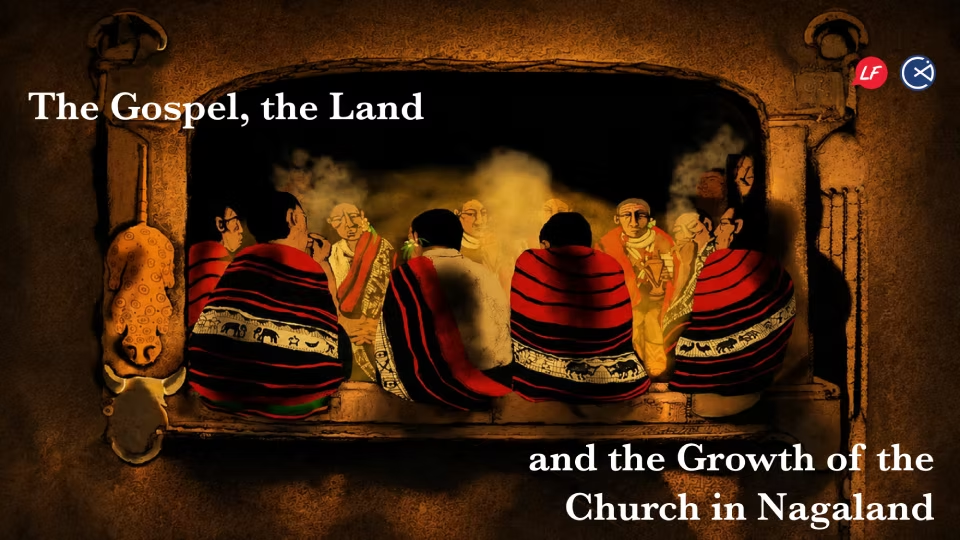





From head-hunting to soul-hunting
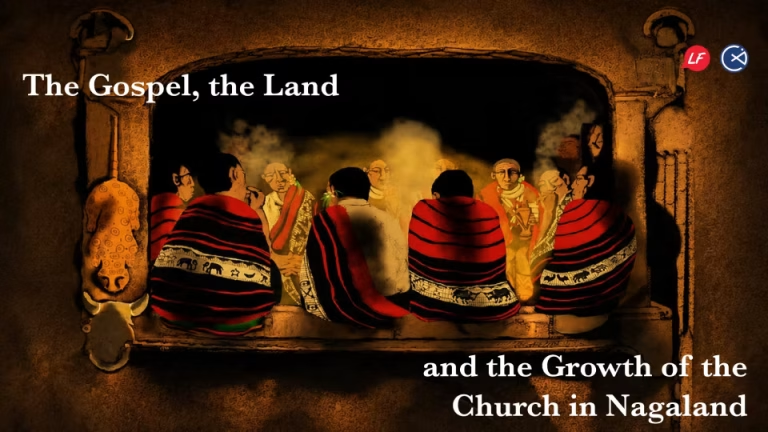
The spread of the Gospel among the head-hunting Naga, toward the end of the 19th century, gave rise to Ecclesiastical growth in Naga soil. The American Baptist Missionaries were the harbingers who shaped the dimension of Naga customs. This transition paved a new direction from vengeful Naga to soul-hunting Naga.
The relationship between the Land and the Church establishment
For indigenous people, land is tied to identity. Preserving ancestral land is how Naga honour their ancestors, and therefore, the history of settling in the land and the formation of churches are concurrent; as in the formative years, when Naga ancestors settled on their own land, they also established churches, which made the histories intertwined.
Today, as generations have grown and communities have expanded and moved from the ancestral lands, and as people recognized the need to settle in more developed areas, churches were established across, as a bridge to meet spiritual and communal needs, especially in times of important events, during sickness and bereavement. For Naga, churches are not merely a place of worship but also a centres of fellowship, where they share not only a common faith but also mutual support, which gives them a sense of belonging and strengthen their community identity.
The function of the church
The Baptist churches in Nagaland come under a common association known as the Nagaland Baptist church council (NBCC). Historically established in 1937 and serve as the apex body of Baptist churches in Nagaland. Despite their tribal diversity, the Baptist churches are a united body in Christ under the pillar of NBCC, sharing one vision of promoting the ministry of Jesus Christ. Although the church has its denominational influence, the diverse inhabitants of Nagaland also have their own local influence by clan and village system, within which the function of the church also varies to a certain extent.
Naga Churches and beyond
Nagaland, with a predominant Christian population, the establishment of churches is largely driven to edify the body of Christ and refine or strengthen the faith, while also carry the gospel out to the unreached groups. However, the motive of expanding Christianity focuses primarily on the non-Christian communities residing within the state. According to the accounts shared by several Pastors and missionaries, their involvement among these groups began through a divine revelation, while some through an inward spiritual conviction that God planted in their hearts, and still others through prophetic words. As the ministry progresses, churches are planted to serve newly converted Christians. The Naga named these institution as Nagamese Baptist Church or fellowship in generic term.
Faith, Land and Community
The gospel vibrated in the Naga Hills and transformed the villainous people into soul-hunting Christians. Today, the seed that was sown by the early missionaries is not going unharvested. Every year the churches aim to expand their evangelistic work across states, while also planting new churches within and outside the states. The enduring spiritual impact is evident in how the Naga churches in Nagaland continue to remain steadfast in their calling.